Mastering Offer and Positioning for Maximum sales
BUSINESS GROWTHMARKET POSITIONINGMARKET OFFER
Digital Caleb
3/6/2026


Understanding the Core Elements of an Offer
Creating a compelling service offer necessitates a thorough understanding of its core elements. At the forefront of this understanding is the identification of target audiences. Knowing who the potential customers are and what they desire is crucial in crafting a service that resonates. This process involves thorough market research and data analysis to ascertain demographic specifics and psychographic nuances that define the target audience, allowing for an offer that is tailored to meet specific needs.
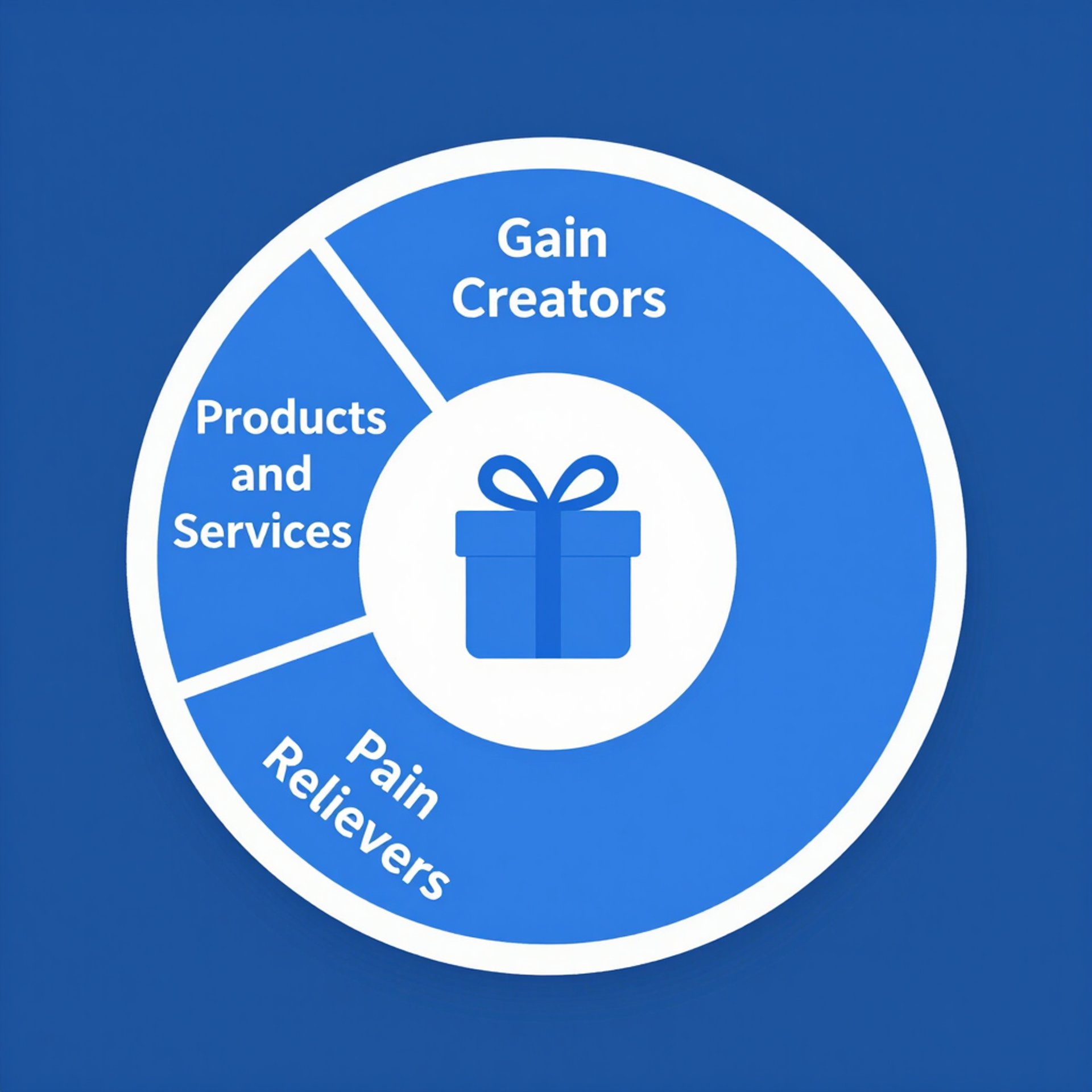
Equally important is recognizing the pain points that affect these customers. Pain points refer to the challenges and obstacles faced by your audience, which your service can address. Effective services emerge from a deep understanding of these challenges; they are solutions designed to provide relief and enhance the quality of life or business operations for the customer. Conducting surveys, interviews, and engagement through social platforms is effective in drawing out these insights. This, in turn, allows for positioning the service as not just functional but transformative.
The value proposition is another critical element that needs careful consideration. Simply put, the value proposition articulates why a customer should choose your service over competitors. It encapsulates the unique benefits that your service delivers and the specific value it creates for the customer. This communication must be clear and concise to instill confidence in the customer’s decision-making process. Add to that, aligning the service offer with overarching business objectives ensures sustainability and profitability. By connecting the dots between customer desires and business goals, companies can design offerings that foster loyalty and drive repeat business, which together enhance the overall value perceived by customers.
Defining Your Unique Selling Proposition (USP)
In any service-oriented business, the Unique Selling Proposition (USP) establishes the essential factors that set your offerings apart from competitors. It accentuates the distinct qualities of your services that appeal most to your target market, driving customer engagement and loyalty. Understanding and articulating your USP involves a thorough analysis of your services in relation to market demands and consumer needs.
To effectively define your USP, begin by identifying your target market. Analyze their preferences, behaviors, and pain points. This insight enables you to tailor your services to address their specific needs. For instance, if your audience values eco-friendly practices, your USP could be centered around sustainable service delivery. Highlighting such qualities can create a compelling narrative that resonates with environmentally-conscious consumers.
Articulating your USP requires clarity and focus. Make sure it communicates your service’s benefits succinctly while highlighting what makes it unique. A strong USP clearly differentiates your offerings by addressing the question, "Why should customers choose us over others?" For example, a wellness coaching service might showcase a USP that emphasizes personalized plans backed by psychological research, setting it apart from more generic programs.
Incorporating your USP into your overall service positioning is equally crucial. It should be woven into your marketing materials, website, and customer interactions. This consistency reinforces your brand's message and builds recognition. Real-world examples underscore the effectiveness of strong USPs; consider how brands like Apple or Tesla successfully position themselves through distinct advantages that resonate with their audiences.
Overall, a clearly defined USP serves as a foundational element for any service-based business aiming to maximize profit while establishing a strong market presence. Taking the time to articulate this proposition effectively can lead to significant competitive advantages in your industry.
Packaging Your Services for Maximum Appeal
Creating an appealing service package is essential for enticing potential buyers and ensuring clarity on the value of what is being offered. Effective service packaging includes strategies such as implementing service tiers, bundling related offerings, and establishing a cohesive brand presentation. These elements not only simplify the decision-making process for clients but also enhance the perceived value of the services.
The concept of service tiers allows clients to choose from multiple layers of service offerings, catering to varying needs and budgets. By establishing a basic, standard, and premium tier, clients can easily identify which level of service aligns best with their requirements. This also creates an opportunity for upselling as clients may opt for a higher tier upon realizing the additional benefits offered.
Moreover, bundling related services can create a compelling value proposition. For instance, combining related services into a package can increase convenience for buyers and present them with a comprehensive solution rather than isolated services. This approach not only amplifies perceived value but can also incentivize clients to purchase more, enhancing overall sales and satisfaction.
The branding surrounding these offerings plays a crucial role in the effectiveness of service packaging. Strong, recognizable branding can instill confidence in potential clients, making them more likely to engage with the service. Clear and consistent branding throughout all materials ensures that prospective buyers understand what the service is and how it benefits them.
Lastly, effectively communicating the benefits of services is paramount. Utilizing straightforward language, visually appealing designs, and testimonials can significantly improve clients' understanding of how they will benefit from the services. By focusing on the customers’ needs and pain points, potential clients can see the immediate value, aiding their decision to purchase the services presented.


Pricing Strategies for Profitability
Pricing strategies play a pivotal role in determining the profitability and sustainability of a business. Implementing the right pricing technique can significantly enhance a company's ability to attract customers while ensuring healthy profit margins. Here, we will explore three prominent pricing strategies: cost-plus pricing, value-based pricing, and competitive pricing.
Cost-plus pricing is one of the most straightforward approaches, where a business calculates the total cost of producing a service, followed by adding a markup to determine the selling price. This method is particularly useful for businesses with stable production costs and clear operational expenses. However, while it guarantees that all costs are covered, it may not always align with the perceived value by customers, which can lead to missed revenue opportunities if competitors offer similar services at lower prices.
In contrast, value-based pricing focuses on the perceived value of the service to the customer rather than the cost of delivering it. This approach is optimal in industries where brands can differentiate their offerings significantly. For example, premium services such as consulting or bespoke solutions can command higher prices if customers perceive substantial value. Understanding customer behavior and their willingness to pay is crucial for successfully implementing this strategy.
Lastly, competitive pricing involves setting prices based on market research and competitors' pricing strategies. This method is particularly beneficial in saturated markets where similar services are available. By monitoring competitors and adjusting prices accordingly, businesses can maintain a competitive edge without compromising on quality. However, it is essential to balance this approach, as underpricing can lead to diminished perceived value and profit margins.
In conclusion, selecting the appropriate pricing strategy hinges on understanding market conditions, customer perceptions, and the specific service offered. Each strategy has its merits and can be effectively employed to boost profitability while remaining accessible to customers.
Creating an Irresistible Sales Proposition
A compelling sales proposition is not merely a statement of what you offer; it is a strategic presentation that aligns with the needs and desires of your target audience. To create an irresistible sales proposition, one must first understand the key drivers of buyer psychology. Buyers are motivated by emotions and rationalizations that can significantly influence their purchasing decisions. By tapping into these motivations, you can formulate an appealing proposition that encourages them to act.
Start with identifying the core pain points of your audience. What challenges do they face? What solutions are they seeking? Craft your sales message around addressing these specific issues, ensuring that your service presents a clear pathway to resolution. Use persuasive language that emphasizes the benefits of your service rather than the features alone, as this helps in painting a vivid picture of the potential outcomes your audience can expect.
Another essential component of a strong sales proposition is the incorporation of urgency and scarcity. By creating a sense of limited availability or time-limited offers, you can inspire quick decision-making. This strategy taps into the fear of missing out (FOMO), a psychological phenomenon that can be a powerful motivator in driving purchase behavior. Clearly communicating deadlines and limited stock for your services can enhance their perceived value, making consumers more likely to act promptly.
In summary, an effective sales proposition intertwines an understanding of buyer psychology with persuasive writing techniques. By clearly highlighting the benefits of your offer and strategically utilizing urgency and scarcity, you can create a compelling message that resonates with your audience and compels them to take action. As you refine your approach, focus on clarity and emotional engagement to ensure that your sales proposition stands out in a crowded market.
Testing and Refining Your Offer
Testing your service offers is essential for understanding market demand and ensuring that you meet the needs of your target audience. Employing various methods to gather feedback is a crucial part of this testing process. Start by conducting surveys or interviews with potential customers to gain insights into their preferences and expectations. A/B testing different versions of your offer can also reveal which elements resonate best with your audience, providing clear direction for refinement.
It is equally important to analyze performance metrics once your offer is released. Metrics such as customer acquisition cost, conversion rates, and customer retention rates provide valuable data regarding the effectiveness of your service. Tools like Google Analytics can help track user interactions and behaviors, enabling a deeper understanding of what is and isn’t working. This quantitative analysis can guide your decision-making process, allowing for data-driven adjustments to your offer.
Iterating on your service offer may require multiple adjustments based on the feedback and data collected. For example, a company that initially launched a subscription box for health foods may find that its customers prefer a focus on organic products. By refining their offerings and incorporating more organic options, they improve attractiveness and potentially increase profitability. Another successful pivot could involve a coaching service that originally offered one-on-one sessions but later introduced group coaching options based on feedback indicating a desire for community support.
Ultimately, effective testing and refining of your service not only enhances customer satisfaction but also maximizes profit potential. By remaining open to feedback and willing to adjust your offer as necessary, you can create a service that truly meets the needs of your market and stands out in a competitive landscape.
Building Long-term Customer Relationships Through Positioning
Establishing long-term relationships with customers is a foundational element that contributes significantly to the success of any service-based business. Effective positioning of services plays a pivotal role in this regard. By ensuring that services are consistently aligned with customer expectations and perceived value, businesses can foster a lasting connection with their clientele. Consistent delivery of value is essential; it speaks to the reliability and integrity of the service provider. Customers are more likely to return when they can count on quality that meets or exceeds their initial expectations.
Regular communication is another critical factor in maintaining relationships. Engaging with customers through various channels such as email newsletters, social media updates, and personalized follow-up communications reinforces a sense of community and belonging. This ongoing dialogue allows businesses to gather valuable feedback, which can be used to improve services and address any issues before they escalate. When customers feel heard and valued, their likelihood of remaining loyal increases.
Customer service also plays a crucial role in relationship-building. A responsive and empathetic support team that addresses customer inquiries effectively can turn a single transaction into a long-term partnership. Ensuring that customers are satisfied with their experiences fosters trust and encourages repeat business. Additionally, implementing loyalty programs can further enhance customer retention. By rewarding repeat purchases and encouraging referrals, businesses can create a win-win situation where customers feel appreciated and motivated to promote the services to others.
Incorporating these strategies within an overarching positioning framework ensures that services not only attract customers but also engage and retain them over the long term. As businesses navigate the complexities of customer relationships, the emphasis on delivering consistent value, maintaining open lines of communication, and providing exemplary customer support stands out as pivotal elements to achieving enduring client loyalty.